Introduction
Imagine standing in front of a treasure chest. You know it’s valuable, but without the key, it’s just a box. For many organizations, Business Relationship Management (BRM) is that unopened chest—full of potential but shrouded in mystery. If you’ve ever thought, “Why invest in something we barely understand?” you’re not alone.
The Story
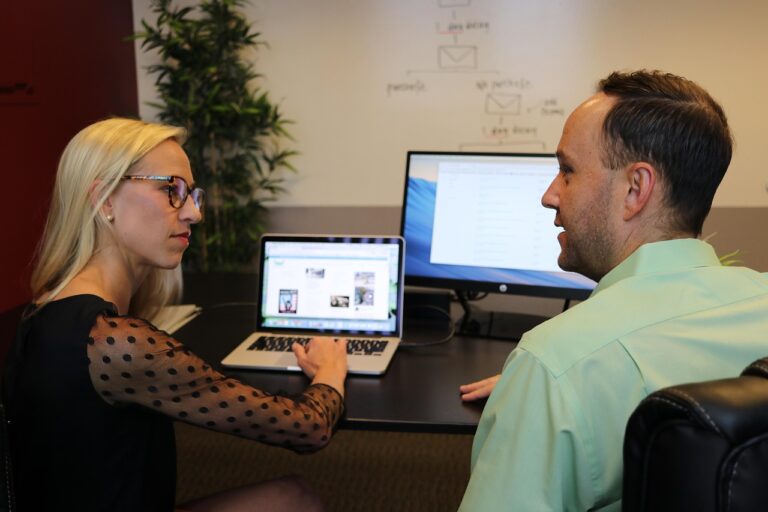
Meet Shia, a senior manager at a mid-sized tech company. Her team struggled with communication breakdowns between IT and marketing, leading to delayed projects and frustrated employees. When a colleague mentioned BRM training, Shia’s first reaction was, “What’s that?” It sounded like another buzzword. But curiosity got the better of her, and she began exploring. Once Shia grasped the concept of aligning IT with business goals through BRM, the results were transformative: streamlined processes, empowered teams, and measurable ROI.
BRM training enabled Shia’s team to start building partnerships by creating a formalized process for cross-department collaboration. IT leaders began attending marketing’s weekly planning meetings, which fostered a deeper understanding of mutual priorities. Over six months, her company experienced a 30% reduction in project delays. By increasing collaboration, they improved IT-marketing alignment by 50%, as measured by satisfaction surveys.
The tipping point came when a high-priority product launch was jeopardized due to miscommunication. This sparked the urgency for leadership to invest in BRM training, which then created a culture of trust and value-driven outcomes. Employees began to feel a sense of belonging, knowing their input directly impacted business success. The results validated their decision, with enhanced communication and a renewed focus on shared goals.
Providing Value
- BRM isn’t just a role; it’s a bridge.
- It fosters partnerships, increases collaboration, and drives a sense of belonging.
- Training equips teams with actionable tools to unlock value and evolve a collaborative culture.
Invitation to Interact
Have you faced challenges aligning IT and business goals? And did you consider enhancing your business relationship management capability to bridge this gap? Reach out to us for a brief chat and we’ll gladly answer your questions such as what a roadmap looks like to reap these and other benefits from BRM.
Conclusion
As Simon Sinek says, “People don’t buy what you do; they buy why you do it.” Understanding BRM’s “why” can be the key to unlocking its transformative power. Ready to learn more? Discover how our BRM coaching can help your organization bridge the gap and realize its full potential. Contact us for more examples of what organizations like yours have experienced after investing in maturing a BRM practice.