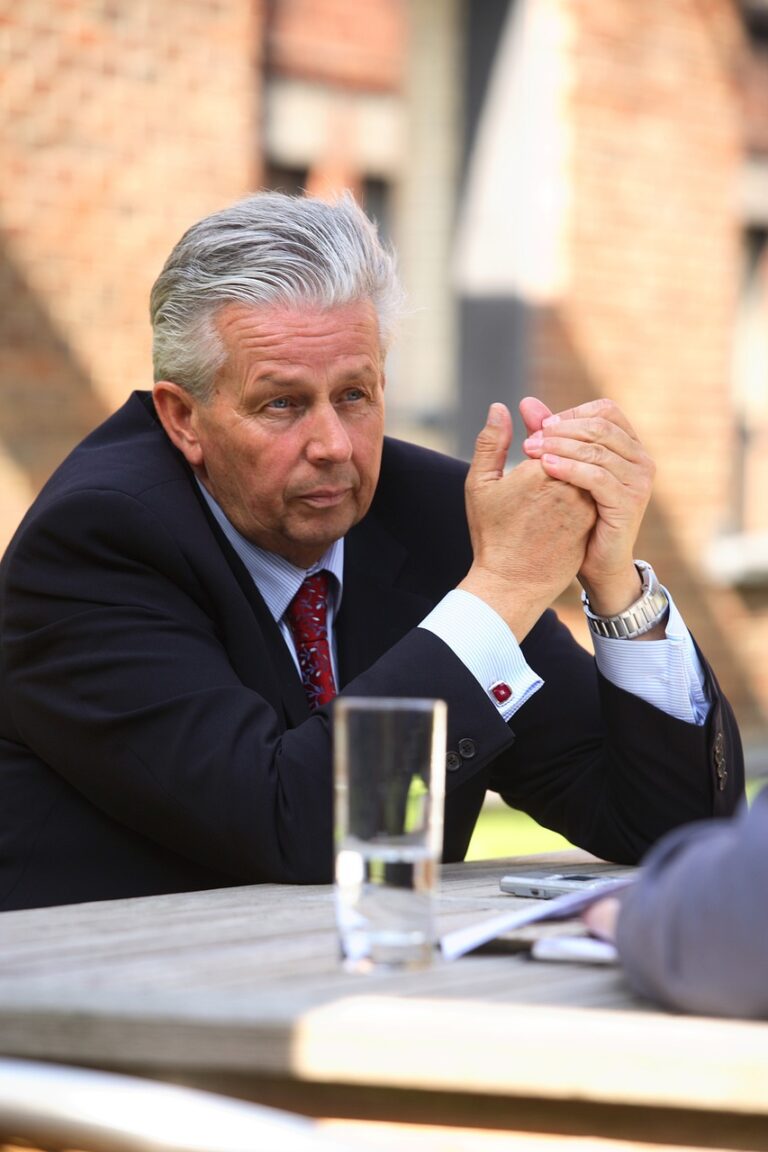
You’ve been there.
A pitch that fell flat.
A meeting that turned awkward.
A potential partnership that almost worked—until it didn’t.
It’s frustrating when business relationships don’t land the way you hoped, especially when the work itself is solid. You’re smart. You’re capable. So, why do some relationships feel like a battle while others flow with ease?
The answer usually comes down to emotional intelligence—and more specifically, social skills, the often underestimated superpower behind every strong business relationship.
Let’s break it down.

What Is Emotional Intelligence—and Why Should You Care?
Emotional intelligence (or EQ) is your ability to recognize, understand, and manage emotions—your own and others’. It has five core components:
Out of all of them, social skills are the ones that directly impact how you communicate, collaborate, influence, and build rapport with others—whether you’re managing a team, closing a deal, or pitching to investors.
Social Skills: The Business Game-Changer
When social skills are strong, they build bridges between people. They help you:
But when they’re lacking? That’s when even the best strategies can crumble.
What Happens When Social Skills Are Missing
No matter your role, the absence of social skill creates a gap—between you and the people you need to move forward. Here’s what that often looks like:
1. Miscommunication Becomes the Norm
Tone is misread. Emails feel cold. Zoom calls feel awkward.
“I thought you meant…” turns into missed deadlines and broken trust.
2. Relationships Stay Surface-Level
Without rapport, business relationships remain transactional. Loyalty fades, and referrals? Forget about it.
3. Conflict Escalates or Gets Buried
Instead of addressing tensions directly and compassionately, things blow up—or get swept under the rug.
4. You Struggle to Influence or Inspire
Your message may be powerful, but it doesn’t land without connection. People buy into people—not just ideas.
5. Opportunities Slip Through the Cracks
You miss cues. You misread the room. You don’t pivot when the energy shifts. The moment passes—and so does the deal.
Real Talk from Real Leaders
“You can have all the technical skills in the world, but if you can’t relate to people, you’re not getting far.”
— Indra Nooyi, Former CEO of PepsiCo
“I realized my greatest growth came when I learned how to listen.”
— Howard Schultz, Former Starbucks CEO
Even at the highest levels, success depends on the ability to connect.
Who Needs Social Skills Most—and Why
Let’s dig into the roles where social skill isn’t just helpful—it’s essential. These are the people who thrive when they master this part of emotional intelligence:
Leaders and Managers
They set the tone. If they lack social skills, teams feel disconnected, uninspired, and hesitant to share.
Real-World Use Case:
A team leader with strong social skills holds regular 1:1s, senses when morale dips, and adapts their leadership style. Think Satya Nadella at Microsoft—he shifted company culture through empathy and people-first communication.
Sales and Business Development Pros
Trust and timing drive results. Without social intuition, the client may ghost or go with someone else.
Example:
Top-performing reps at HubSpot are trained to read emotional cues and ask open-ended questions that build trust. They’re not selling—they’re connecting.
Entrepreneurs and Founders
Wearing all the hats means managing relationships with vendors, clients, and investors. Without social skill, pitches fall flat and collaborations fizzle.
Relatable Name?
Sara Blakely, founder of Spanx, built her empire through relationships. She says, “If people like you, they’ll help you. If they trust you, they’ll invest in you.”
Customer Support and Client-Facing Teams
These are your frontlines. Without the ability to de-escalate or show genuine empathy, you lose customer trust fast.
Zappos:
Zappos became legendary for their service because reps were empowered to connect first, solve second. It’s not just policy—it’s emotional intelligence.
Cross-Functional Teams
When working across silos or departments, misalignment is common. Social skill helps team members collaborate, adjust expectations, and avoid tension.
Think:
Pixar’s creative teams—writers, animators, directors—work in harmony because they’re taught to give feedback constructively and receive it openly.
The Common Thread
Disconnection.
When social skills are lacking, it shows up as broken communication, high turnover, failed partnerships, and a lack of loyalty. But when you invest in those skills?
Everything shifts.
In Business, Connection Is Currency
You can’t automate trust.
You can’t outsource emotional nuance.
You can’t fake presence.
If you want to succeed in business, you have to master the art of connection—and that starts with understanding how social skill fuels every relationship you touch.
And that’s exactly why INTEPRROM’s Business Relationship Management Certification Training exists.
This isn’t just theory. It’s practical, proven, and built for professionals who want to:
Because in today’s business world, it’s not just what you do—it’s how you connect while doing it.
Ready to master the skill that sets successful professionals apart?
Invest in your emotional intelligence.
Invest in your relationships.
Invest in your future—with INTEPRROM.
If you’re ready to elevate your business relationships and lead with emotional intelligence, let’s connect. Whether you’re a team leader, entrepreneur, or professional looking to grow your impact, a free consultation is the perfect first step. We’ll explore where you are, what’s getting in the way, and how INTEPRROM’s Business Relationship Management Certification Training can support your next level. Click below to schedule your free consultation—no pressure, just possibilities.