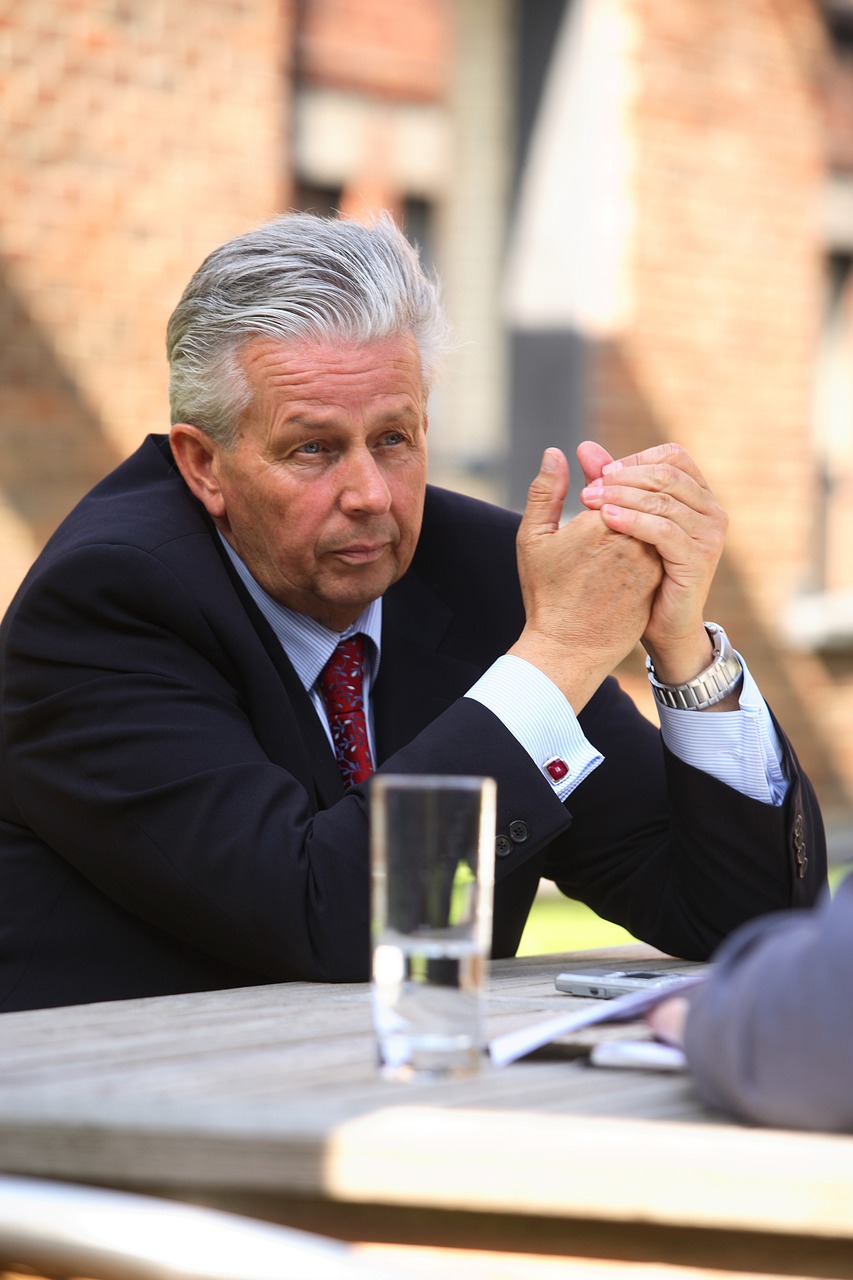
As a CEO who has witnessed the evolution of business relationships over two decades, I’ve seen firsthand how the right partnerships can multiply an organization’s impact. When our company faced declining stakeholder engagement scores—dropping 23% in just one year—I knew we needed to transform our approach to business relationships. This realization has led many forward-thinking leaders, including myself, to invest in Business Relationship Manager (BRM) coaching for our teams. Let me share why this investment has become crucial in today’s complex business landscape.
Building C-Level Relationships: From Gatekeeper to Trusted Partner
One of the most challenging aspects of the BRM role is establishing meaningful connections with C-suite executives. I recently worked with Sheila, our senior BRM at a global technology firm, who despite her technical expertise, struggled to move beyond transactional relationships with executive stakeholders. Through focused coaching, she learned to speak the language of business value and strategic alignment.
Sheila’s breakthrough came during a critical digital transformation initiative. Her coach helped her develop a framework for understanding the CEO’s strategic priorities and connecting them to technology capabilities. Within six months, she was no longer waiting for invitation to executive meetings—she was leading them. More importantly, her initiatives saw a 40% higher adoption rate among senior stakeholders, and she secured an additional $2.8M in project funding based on her enhanced ability to communicate value. The deciding factor for seeking coaching? Watching talented BRMs plateau just short of achieving true strategic partnership status.
Strengthening Strategic Advisory Capabilities: From Service Provider to Business Innovator
The shift from service provider to strategic advisor requires a fundamental change in mindset and approach. Take Marcus, a BRM in the healthcare sector, who excelled at service delivery but struggled to influence strategic decisions. His coach helped him develop a deeper understanding of business strategy and value creation.
Marcus’ success story emerged when he identified an opportunity to leverage data analytics to improve patient care while reducing costs—an initiative that hadn’t been on anyone’s radar. The results were stunning: a 27% reduction in patient wait times, 15% decrease in operational costs, and a remarkable 92% satisfaction rate among clinical staff. His coach helped him develop the business case and presentation skills needed to convince the board. The deciding factor? Recognizing that technical expertise alone wasn’t enough to drive strategic change.
Creating Compelling Value Propositions: From Feature Focus to Business Impact
Perhaps the most crucial skill for any BRM is the ability to articulate business value effectively. Lois, a BRM in financial services, was highly skilled at explaining technical solutions but struggled to connect them to business outcomes. Through coaching, she learned to craft value propositions that resonated with stakeholders at all levels.
Her moment of triumph came when she successfully pitched a cybersecurity initiative by focusing not on technical specifications, but on business risk mitigation and competitive advantage. The project she championed led to a 65% reduction in security incidents and saved the company $4.2M in potential breach costs. The deciding factor for seeking coaching was a series of missed opportunities where technical solutions failed to gain traction due to poorly articulated business value.
The Power of Strategic Relationships: A Game-Changing Partnership
Joe, another coaching success story, transformed a contentious vendor relationship into a strategic partnership worth $12M annually. Through coaching, he learned to identify underlying business needs and create win-win scenarios. His approach led to a joint innovation lab that has produced three patent-pending solutions in just 18 months.
The Path Forward: Investing in BRM Excellence
Throughout my career, I’ve seen how skilled BRMs can transform business relationships and drive unprecedented value. The success factors consistently include:
- Deep understanding of business strategy and stakeholder motivations (leading to 3x faster project approvals)
- Ability to translate technical capabilities into business outcomes (resulting in 45% higher project success rates)
- Confidence in navigating executive relationships (achieving 80% stakeholder satisfaction scores)
- Skill in crafting and communicating compelling value propositions (securing 2.5x more strategic initiative funding)
Our BRM coaching program is designed specifically to develop these critical capabilities. We combine one-on-one coaching with practical tools and frameworks that BRMs can apply immediately in their roles. Our coaches bring decades of executive experience and understand the unique challenges of building strategic partnerships. On average, our coached BRMs achieve:
- 34% increase in stakeholder engagement scores
- 52% improvement in strategic initiative approval rates
- 87% success rate in securing executive sponsorship for key projects
- 2.3x increase in identified business opportunities
Conclusion
For leaders looking to elevate their BRM function from operational to strategic, coaching provides the structured support and guidance needed to make this transition. It’s an investment that consistently delivers returns in the form of stronger partnerships, more strategic initiatives, and greater business value.
Ready to transform your BRM function into a strategic powerhouse? Let’s explore how our coaching program can help your team achieve their full potential. Contact us today to learn more about our tailored coaching solutions that have helped organizations achieve an average ROI of 312% on their BRM coaching investment.