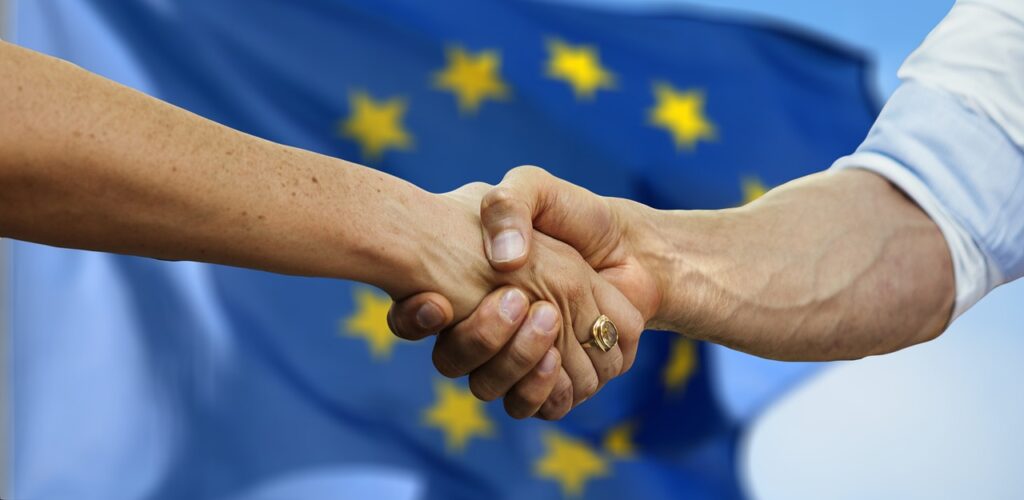
In a business world where deals can be made with a handshake or broken with a single email, trust remains the most valuable currency in business. Yet it’s also the most fragile. You can spend years building trust with a client, partner, or colleague, only to watch it crumble in moments due to a single misstep. So how do successful business professionals consistently build and maintain trust across all their relationships? The answer lies in understanding not just what trust is, but how it operates differently in the high-stakes world of business.
The Foundation: Understanding Trust at Its Core
Trust is fundamentally about predictability and safety. When we trust someone, we believe we can predict their behavior and that they won’t harm our interests, even when we’re not watching. It’s the confidence that someone will act in ways that align with our mutual benefit, honor their commitments, and communicate honestly even when it’s difficult.
At its essence, trust develops through consistent positive experiences over time. Every interaction becomes a data point that either builds or erodes confidence in the relationship. Think about it like a bank account—each positive interaction makes a deposit, while negative ones create withdrawals. The goal is to maintain a healthy balance that can weather the inevitable challenges that arise in any relationship.
Trust also has an emotional component that goes beyond simple reliability. We tend to trust people who demonstrate genuine care for our well-being, show vulnerability when appropriate, and treat us with respect even during disagreements. This emotional foundation transforms transactional relationships into partnerships built on mutual investment in each other’s success.
The psychology of trust reveals something fascinating: people often decide whether to trust someone within the first few seconds of meeting them, then spend the rest of their interactions either confirming or challenging that initial assessment. This means that first impressions matter enormously, but it also means that trust can be rebuilt when someone is committed to demonstrating trustworthy behavior consistently over time.
Trust in Business: Higher Stakes, Greater Complexity
Business relationships operate under unique pressures that make trust both more critical and more challenging to establish. Unlike personal relationships, business interactions often involve significant financial stakes, competitive dynamics, and multiple stakeholders with different agendas. The consequences of misplaced trust can affect not just individuals but entire organizations, making people naturally more cautious about extending trust in professional settings.
In business, trust must often be established quickly. While personal relationships can develop trust gradually over months or years, business professionals frequently need to build confidence within weeks or even days. This creates a paradox: the environment that most needs trust is also the one that provides the least time to develop it naturally.
Professional trust also operates on multiple levels simultaneously. There’s competence trust—confidence that someone has the skills and knowledge to deliver what they promise. There’s character trust—belief that someone will act with integrity even when no one is watching. And there’s caring trust—assurance that someone genuinely considers your interests, not just their own. Successful business relationships require all three types working together.
The complexity increases when you consider that business trust often involves not just individuals but organizations. When you trust a business partner, you’re implicitly trusting their entire support system, their company’s processes, and their ability to deliver despite factors beyond their personal control. This systemic nature of business trust means that building it requires attention to both personal relationships and organizational capabilities.
Essential Approaches for Building Business Trust
Transparency serves as the cornerstone of business trust building. This means sharing relevant information proactively, explaining your decision-making process, and being open about both opportunities and challenges. Transparency doesn’t mean sharing everything—it means ensuring that stakeholders have the information they need to make informed decisions and feel confident in the relationship.
Consistency in communication and action builds predictability, which is essential for trust. This includes maintaining regular communication rhythms, following through on commitments regardless of size, and responding to challenges in ways that align with your stated values. Small consistencies often matter more than grand gestures because they demonstrate reliability in everyday interactions.
Active listening and genuine curiosity about others’ perspectives signal that you value the relationship beyond what it can do for you. This means asking thoughtful questions, remembering important details about your business partners’ priorities and challenges, and adapting your approach based on what you learn about their preferences and needs.
Accountability becomes crucial when things don’t go as planned—and they inevitably won’t. Taking ownership of mistakes, communicating problems early rather than hoping they’ll resolve themselves, and focusing on solutions rather than excuses demonstrates the kind of character that builds long-term trust. People expect perfection less than they expect honesty about imperfection.
Creating Trust-Conducive Environments
Organizations serious about building trust must design their culture, processes, and incentives to support trustworthy behavior. This starts with hiring practices that prioritize character alongside competence, looking for people who demonstrate integrity in how they talk about previous employers, colleagues, and challenges they’ve faced.
Physical and virtual environments can either support or undermine trust building. Open communication channels, accessible leadership, and transparency in decision-making processes signal that the organization values trust. Conversely, secretive meetings, unclear decision criteria, and inconsistent messaging create an atmosphere of suspicion that makes trust difficult to establish or maintain.
Recognition and reward systems must align with trust-building behaviors. When organizations only celebrate revenue achievements while ignoring how those results were obtained, they inadvertently encourage behavior that may undermine long-term relationships. The most trust-conducive environments reward people for building sustainable partnerships, solving problems collaboratively, and maintaining integrity under pressure.
Creating psychological safety allows people to be honest about challenges, mistakes, and concerns without fear of punishment. When team members feel safe being vulnerable, they’re more likely to communicate problems early, ask for help when needed, and share information that might be uncomfortable but important for the relationship’s success.
Leadership’s Role in Fostering Trust
Leaders set the tone for trust throughout their organizations through both their actions and their attention. When leaders consistently demonstrate trustworthy behavior—keeping commitments, communicating transparently, and admitting mistakes—they give others permission to do the same. Leadership modeling becomes especially important because people watch leaders more carefully and interpret their behavior as signals about what’s really valued in the organization.
Effective trust-building leaders invest time in developing genuine relationships with key stakeholders rather than treating all interactions as purely transactional. They remember personal details, follow up on previous conversations, and demonstrate that they see business partners as whole people rather than just means to an end.
Leaders can also create structural supports for trust by establishing clear expectations, providing teams with the resources they need to deliver on commitments, and removing obstacles that might force people to choose between being trustworthy and meeting their goals. When systems support integrity, people find it easier to act with integrity.
Perhaps most importantly, trust-building leaders demonstrate courage in difficult situations. They have honest conversations about problems, make decisions that prioritize long-term relationships over short-term gains, and stand behind their team members when they make mistakes while trying to do the right thing.
The Trust Breakers: How Business Relationships Fall Apart
Overpromising and underdelivering represents one of the fastest ways to destroy business trust. This happens not just with major commitments but with small promises—returning calls by certain times, providing information when promised, or delivering work products that meet stated expectations. Each unmet commitment, regardless of size, withdraws from the trust account.
Poor communication during challenging situations often accelerates trust erosion. When problems arise, some people become defensive, stop communicating regularly, or try to minimize issues rather than addressing them directly. This pattern makes partners feel like they’re being managed rather than worked with, undermining the sense of partnership that trust requires.
Inconsistency between stated values and actual behavior creates confusion and skepticism. When someone talks about the importance of collaboration but makes unilateral decisions, or emphasizes quality while cutting corners, partners begin questioning whether they can predict future behavior based on stated intentions.
Hidden agendas and conflicts of interest destroy trust when they’re discovered—and they usually are. Business relationships work best when everyone’s incentives are aligned or at least transparent. When people discover that someone had unstated motivations or competing interests, they question everything else about the relationship.
Trust-Building Actions and Behaviors
Proactive communication stands out as one of the most effective trust-building behaviors. This means reaching out with updates before people need to ask, sharing both good news and challenges, and maintaining regular contact even when there’s no immediate business need. Proactive communicators demonstrate that they’re thinking about the relationship and their partners’ needs.
Following through on commitments, especially small ones, builds confidence over time. This includes arriving on time for meetings, responding to emails within promised timeframes, and delivering work products that meet or exceed expectations. Small reliabilities accumulate into large trust reserves.
Demonstrating competence through preparation, thoughtful questions, and valuable insights shows that you’re worthy of trust in professional matters. People need to believe not just that you have good intentions, but that you have the capability to deliver on those intentions effectively.
Showing genuine interest in others‘ success and challenges signals that you view relationships as partnerships rather than competitions. This might involve making introductions that benefit partners, sharing relevant insights or opportunities, or offering help during difficult periods even when there’s no immediate benefit to you.
Character Traits That Accelerate Trust Building
Authenticity emerges as perhaps the most important character trait for building business trust quickly. Authentic people don’t require others to guess what they’re really thinking or what their true motivations might be. They present consistently across different situations and relationships, making them more predictable and therefore more trustworthy.
Humility, particularly intellectual humility, accelerates trust because it signals that someone is more interested in getting things right than being right. Humble business partners admit when they don’t know something, ask for input from others, and change their minds when presented with better information.
Empathy enables people to understand and respond to others’ perspectives and needs, making interactions feel more collaborative and less self-serving. Empathetic business partners anticipate challenges, offer solutions that work for all parties, and communicate in ways that acknowledge others’ constraints and priorities.
Resilience and emotional stability make people more trustworthy because partners can predict they’ll handle challenges professionally. People who remain calm under pressure, bounce back from setbacks quickly, and maintain their integrity during difficult times inspire confidence in their ability to navigate future challenges.
Industry and Professional Differences in Trust Building
Some industries have built-in structural advantages for trust building. Professional services firms, for example, often develop long-term client relationships that provide multiple opportunities to demonstrate trustworthiness over time. Healthcare and education sectors benefit from service missions that align personal and professional motivations for trustworthy behavior.
Technology and financial services face unique trust challenges due to complexity, rapid change, and high stakes. In these fields, trust building often requires extra effort to explain complex processes, maintain transparency about risks, and demonstrate security and reliability over time.
Sales professionals must overcome natural skepticism about their motivations, making character-based trust especially important. The most successful salespeople focus on understanding and solving customer problems rather than pushing products, demonstrating that their interests align with their clients’ success.
Consulting and advisory roles require establishing credibility quickly while navigating complex organizational dynamics. Trust building in these relationships often depends on demonstrating deep expertise while remaining humble about what you don’t know and honest about the limitations of your recommendations.
The Generational Trust Factor
Different generations often have varying expectations and approaches to trust building, shaped by their formative experiences with technology, economic conditions, and workplace norms. Understanding these differences can help professionals adapt their trust-building approaches for maximum effectiveness.
Millennials and Gen Z professionals often expect more transparency and authenticity in business relationships, having grown up with social media and information sharing. They may build trust through different channels and respond well to leaders who share challenges and vulnerabilities appropriately.
Generation X professionals, having experienced significant corporate changes and economic uncertainty, may take longer to extend trust but value consistency and follow-through highly. They often prefer direct communication and appreciate when people honor their commitments without fanfare.
Baby Boomers may place greater emphasis on relationship building through face-to-face interactions and formal business courtesies. They often value hierarchical respect and may extend trust based on track records and professional reputation.
However, it’s important to remember that individual differences often matter more than generational patterns. The most effective approach is to pay attention to each person’s communication preferences, values, and trust-building expectations rather than making assumptions based on age alone.
Transform Your Business Relationships Through Trust
Trust isn’t just a nice-to-have in business relationships—it’s the foundation that makes everything else possible. When trust exists, negotiations become collaborations, challenges become shared problems to solve, and business relationships become partnerships that create value for everyone involved. Without trust, even the most promising business opportunities can become exhausting battles that drain energy and resources.
The most successful business professionals understand that trust building is both a strategic investment and a daily practice. It requires conscious attention to communication, consistent demonstration of competence and character, and the courage to be vulnerable when appropriate. But the returns—in terms of smoother operations, better opportunities, and more satisfying work relationships—make trust building one of the highest-leverage skills any professional can develop.
Building trust in business relationships isn’t left to chance by the most successful organizations and professionals. It’s a systematic approach that can be learned, practiced, and refined over time. The principles remain consistent across industries and cultures: be reliable, communicate transparently, demonstrate competence, and show genuine care for others’ success.
Ready to master the art and science of building trust in your business relationships? Our Business Relationship Management certification training and personalized coaching programs focus specifically on developing the skills and strategies that create lasting, trust-based professional partnerships.
Schedule a free consultation to discover how our proven approaches to relationship management can transform your business interactions, accelerate your professional success, and help you build the kind of trust-based relationships that drive long-term business growth. Let’s explore how you can become the kind of business partner that others seek out and trust completely.